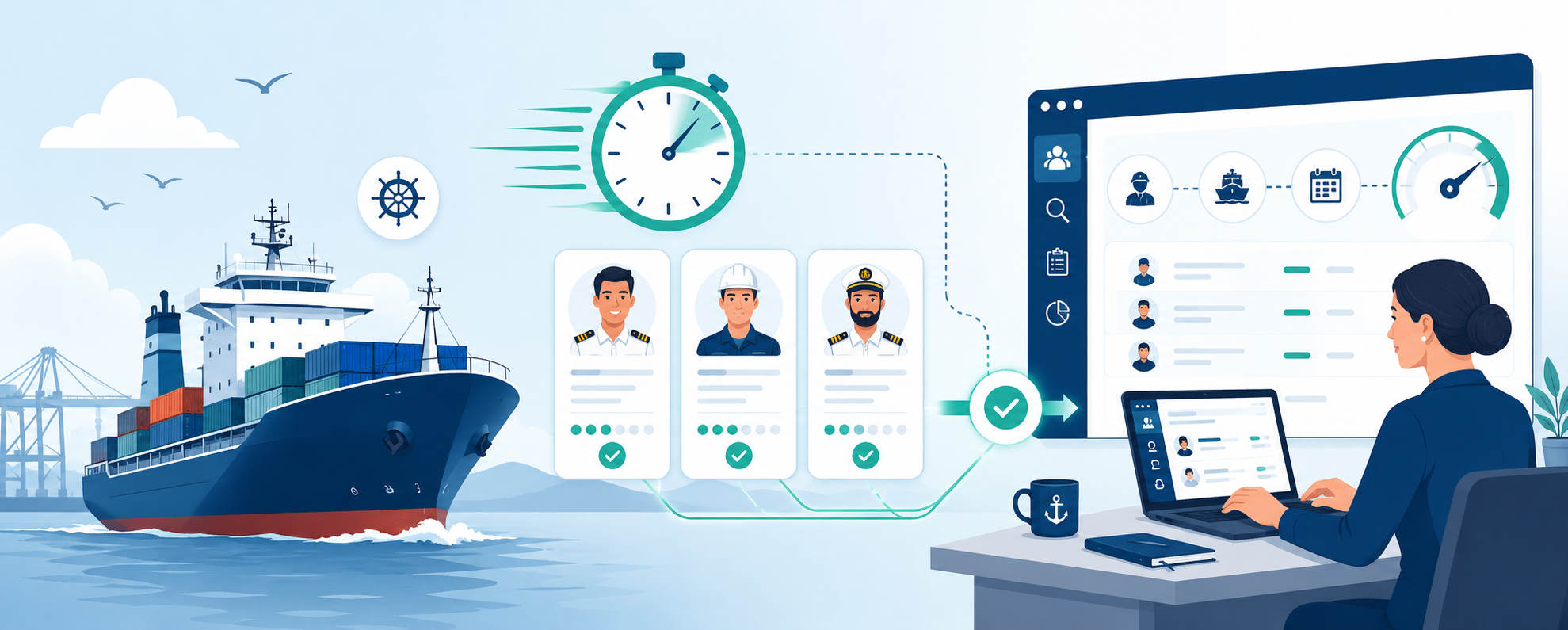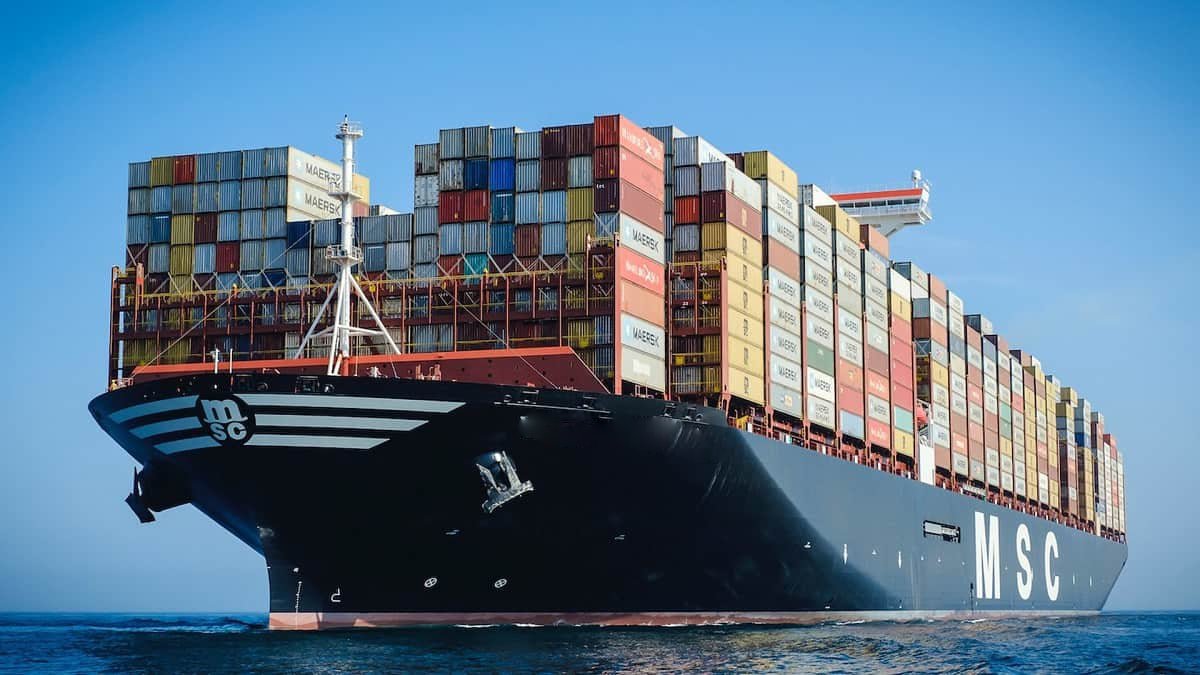
The global shipping industry has traditionally viewed the shortage of officers as a recruitment challenge: if the talent pipeline is shrinking, companies need to increase cadet intake and strengthen partnerships with maritime academies. Today, however, it has become increasingly clear that the issue is far more complex. Bringing young people into the industry is no longer enough—the real challenge lies in retaining them and developing them into competent, committed officers.
The shortage of qualified deck and engine officers cannot be explained solely by declining interest in maritime careers among prospective students. Equally important is a company's ability to support a cadet's transition from the classroom to life at sea. How realistic their expectations are, how effectively onboard familiarization and mentoring are organized, and what experience they have during their first contract will often determine whether they remain in the profession.
Recruiting Cadets Is No Longer Enough
Industry reports continue to warn of a projected shortage of qualified officers across the global fleet. At the same time, shipping companies are facing a dual challenge: attracting new talent and retaining those who have already chosen a maritime career.
Today's cadets are entering an industry undergoing significant transformation. Ship operations have become increasingly technology-driven, while regulatory and administrative requirements continue to expand. Digitalization, compliance obligations, cyber security measures, audits, and preparations for inspections are now integral parts of everyday life onboard.
At the same time, the next generation of seafarers arrives with a different set of expectations. Young professionals place greater importance on mental wellbeing, corporate culture, transparent communication with management, access to connectivity, and maintaining a healthy balance between work and time ashore.
Moreover, a career at sea is gradually losing its unique financial advantage. Shore-based employers are offering increasingly competitive compensation packages, making it difficult for shipping companies to rely on salary alone as a retention tool. Employer reputation, crewing policies, clearly defined career pathways, and the overall employee experience are becoming increasingly important.
As fleet operations become more complex, the competitiveness of shipping companies will increasingly depend not only on their ability to recruit personnel but also on the effectiveness of their talent retention strategies, succession planning, and officer development programs.
Replacing Myths with Reality
Public perception of a seafaring career continues to fluctuate between two extremes: a romanticized vision of adventure at sea and an image of relentless hardship and isolation. In reality, the profession lies somewhere in between.
Many cadets enter the industry with a family connection to the sea or a background in coastal communities. This often strengthens their commitment to completing their studies and mandatory sea service. Nevertheless, it is important to acknowledge that some graduates will eventually transition ashore into technical management, port operations, ship management, or related sectors.
Cadet development extends far beyond obtaining a Certificate of Competency and meeting STCW requirements. Leading maritime institutions and responsible shipowners increasingly incorporate psychological preparedness, intercultural communication, and resilience training into their cadet development programs.
Cadets are introduced to the realities of life onboard, the dynamics of multinational crews, the support mechanisms available to them, and practical ways to maintain their wellbeing throughout their first contract. Maritime charities and professional organizations also play a valuable role in helping young seafarers develop a realistic understanding of the profession.
From a workforce planning perspective, a cadet's first contract is often the defining moment in their career. Consequently, effective preparation and structured support should not be viewed as an optional welfare initiative but as a long-term investment in the future officer pool.
Mentorship, Wellbeing, and Digital Connectivity
The conversation about developing future officers has moved well beyond technical competency. Experience shows that a young seafarer's successful adaptation depends heavily on the human element and the quality of their onboard experience.
The transition from maritime education to service onboard a trading vessel can be challenging. Cadets must adapt quickly to a demanding operational environment, unfamiliar responsibilities, and the realities of working within a multicultural crew.
Importantly, isolated cases of poor adaptation should not be interpreted as representative of the industry as a whole. Instead, they highlight the need for more systematic preparation for life and work in a high-pressure, multinational environment.
Tomorrow's officers require far more than technical knowledge. They must demonstrate emotional resilience, strong communication skills, cultural awareness, conflict resolution capabilities, and the ability to maintain professional performance during extended periods away from home.
Another important issue is onboard internet access. For today's seafarers, connectivity is increasingly viewed not as a perk but as an essential component of acceptable living and working conditions.
However, connectivity remains a double-edged sword. On the one hand, it allows seafarers to maintain close contact with their families, reduces feelings of isolation, and contributes positively to crew wellbeing. On the other hand, constant access to information can expose crew members to family issues ashore, social media pressures, and an ongoing fear of missing out, all of which may affect both mental wellbeing and operational focus.
The answer is not to restrict internet access but to promote digital discipline and responsible use. The objective should be to help seafarers establish healthy boundaries between their professional responsibilities and personal lives.
Equally important is fostering social cohesion onboard. Strong relationships within the crew contribute to safer operations, better teamwork, and a healthier onboard culture. In this context, wellbeing initiatives should no longer be viewed solely as corporate social responsibility measures but as investments in safety performance, operational efficiency, and workforce sustainability.
Supporting Cadets Is a Shared Responsibility
Preparing the next generation of officers is a collective responsibility shared by shipping companies, maritime academies, professional associations, and experienced seafarers.
Mentorship onboard remains one of the most valuable forms of support a cadet can receive. Upon joining their first vessel, cadets often find themselves far from home, frequently as the only trainee onboard and surrounded by an unfamiliar multicultural environment. At this stage, the attitude of senior officers can have a lasting impact on their confidence, motivation, and professional development.
Senior officers who actively involve cadets in shipboard operations, provide guidance, and offer constructive feedback are, in effect, helping to shape the industry's future leadership.
This support framework is further strengthened by maritime charities and welfare organizations through wellbeing training, peer support networks, helplines, and dedicated cadet conferences. The message conveyed by all of these initiatives is simple yet powerful: no young seafarer should feel that they are facing the challenges of their profession alone.
Developing a future officer does not end with graduation or the completion of cadet sea service—it is an ongoing process that continues throughout the early stages of a maritime career.
Key Takeaways
The future shortage of officers cannot be addressed simply by increasing cadet recruitment. Sustainable workforce development requires a comprehensive approach that includes realistic preparation for life at sea, effective mentorship programs, a strong focus on crew wellbeing, and clearly defined career pathways.
Cadet support should be viewed as an integral part of a company's long-term workforce strategy rather than an optional initiative. Developing the next generation of officers is a collective responsibility of the global maritime community.
Why It Matters
The maritime industry has long invested heavily in vessels, technology, and regulatory compliance. Yet, in the decades ahead, human capital may become one of its most critical competitive advantages.
Shipping companies that successfully combine operational excellence with strong mentorship cultures, effective crew management, and robust retention programs will be best positioned to attract, develop, and retain the skilled professionals upon whom the future of global shipping depends.
In other words, the industry's focus is shifting—from solving short-term recruitment challenges to building a sustainable talent pipeline capable of supporting the long-term stability, safety, and resilience of international shipping.